Technology & AI
Business · Technology · Industry · Aviation
Building Technological Capability, Not Simply Adopting Technology
Technology has been a recurring part of Desra Ghazfan's professional career, from information technology and telecommunications to aviation, industrial businesses and corporate leadership.
His interest in artificial intelligence reflects a broader question: how can Indonesia move beyond being a consumer of global technology and develop the infrastructure, industrial capability and human capital required to participate meaningfully in the AI economy?
AI is often discussed primarily in terms of models, applications and software. The underlying physical and economic infrastructure receives considerably less attention.
Yet every AI system ultimately depends on computing infrastructure, data centers, electricity, connectivity, semiconductor supply chains, engineering capability, capital and people.
For Indonesia, developing those foundations may prove as important as adopting AI itself.
Artificial Intelligence and Indonesia
Artificial intelligence is likely to affect almost every major industry.
Manufacturing, financial services, logistics, healthcare, telecommunications, energy, hospitality and transportation will increasingly incorporate AI into their operations.
The strategic question for Indonesia is therefore not simply:
How quickly can Indonesia adopt AI?
A more important question is:
How much of the infrastructure, capability and economic value supporting AI can Indonesia develop domestically?
A country of Indonesia's scale has several potential advantages: a large domestic economy, significant energy resources, growing digital demand, a young population and a strategic position within Southeast Asia.
Converting those advantages into durable technological capability requires investment beyond software.
AI Is Also an Infrastructure Industry
Behind every AI application is substantial physical infrastructure.
Large-scale AI requires:
Computing capacity
GPUs and other specialized processors provide the computational resources required to train and operate increasingly sophisticated models.
Data centers
High-density AI computing creates requirements for power, cooling, network connectivity, reliability and sophisticated facility management.
Energy
AI infrastructure can be extraordinarily power intensive. Access to reliable and economically competitive electricity therefore becomes a strategic consideration.
Connectivity
Domestic and international fiber networks, subsea cables and high-capacity interconnection infrastructure determine how efficiently data and computing resources can move.
Human capital
Engineers, researchers, operators, cybersecurity specialists and other technical professionals ultimately determine whether infrastructure becomes productive technological capability.
The AI economy therefore sits at the intersection of technology, energy, telecommunications, infrastructure and industry.
This turns energy policy into an element of technology policy.
Green AI Infrastructure
The growth of AI creates an apparent contradiction.
AI may improve efficiency across many industries, yet the computing infrastructure supporting it can consume substantial amounts of energy.
This makes the relationship between AI and energy infrastructure increasingly important.
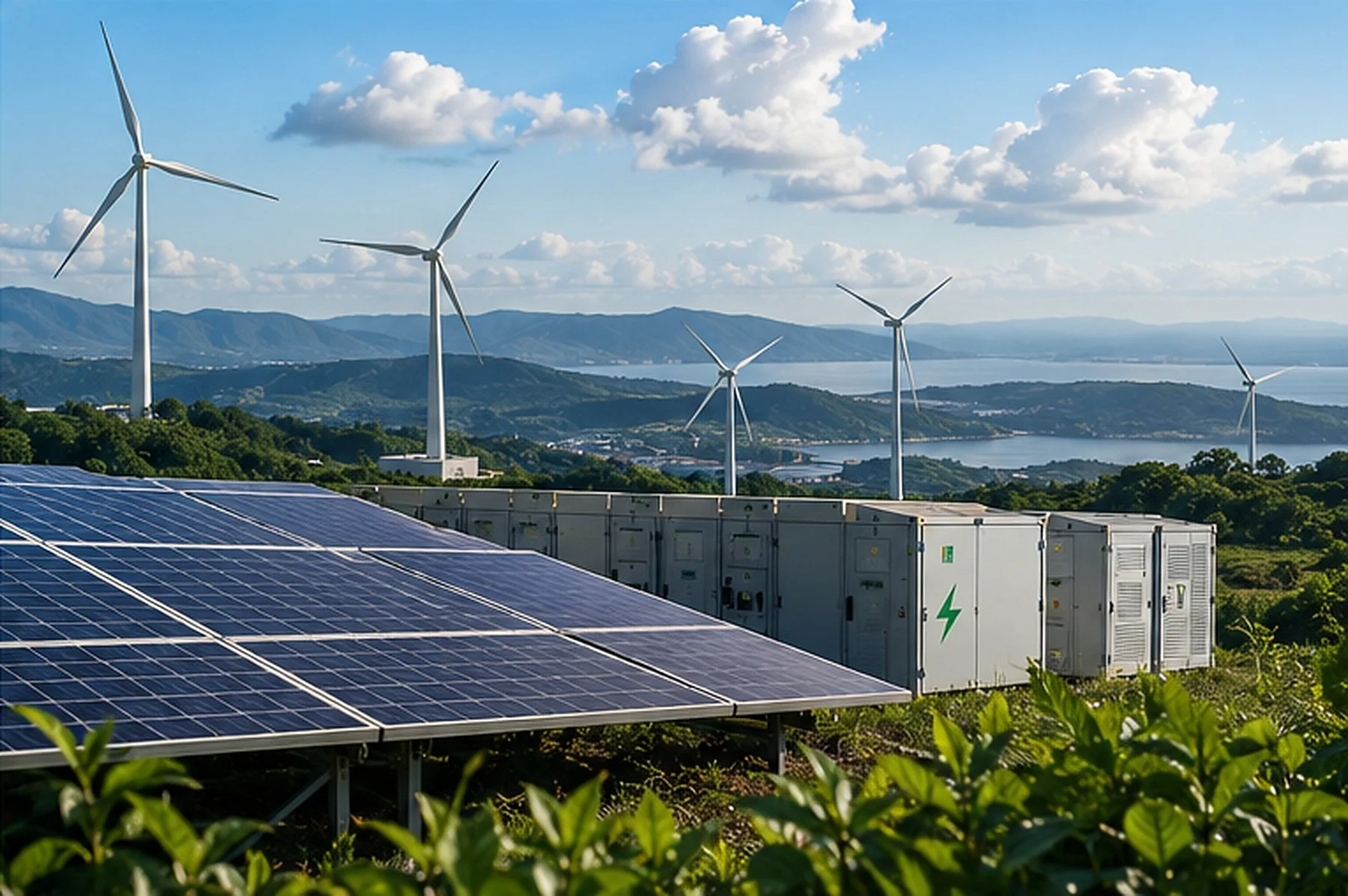
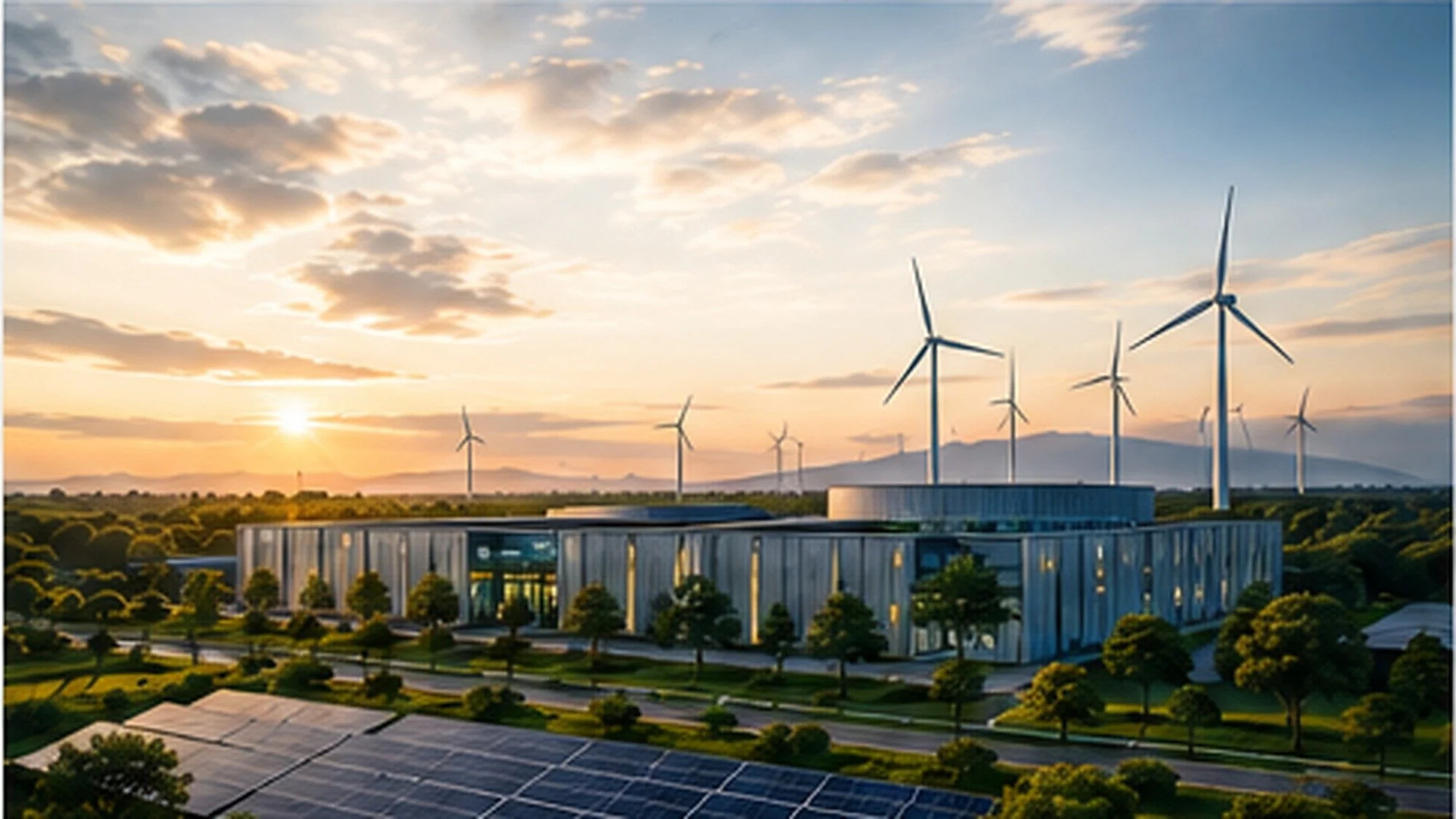
For Indonesia, the opportunity should not simply be to accommodate more data centers. The larger objective should be to develop increasingly efficient digital infrastructure supported by competitive and progressively lower-carbon energy.
Potential advantages could include Indonesia's renewable-energy resources, geographic scale and ability to develop new industrial and infrastructure clusters.
Over time, the competitiveness of a country's AI ecosystem may depend partly on its ability to provide:
reliable power + competitive energy cost + scalable data-center capacity + connectivity + increasingly sustainable energy
Digital Sovereignty
Digital sovereignty does not necessarily mean technological isolation.
Modern technology supply chains are inherently global.
Instead, practical digital sovereignty means maintaining sufficient domestic capability and strategic optionality that critical economic infrastructure does not depend excessively on a single technology, supplier, jurisdiction or external point of failure.
For AI infrastructure, this can involve questions around:
Data
Where important data resides and how it is governed.
Infrastructure
Where computing resources are located and who controls them.
Technology
Whether critical systems depend excessively on a limited number of vendors.
Energy
Whether sufficient reliable electricity exists to support future digital demand.
Human capability
Whether domestic engineers and organizations possess enough expertise to operate and develop increasingly complex systems.
The objective should not be technological self-sufficiency at any cost.
It should be resilience, capability and strategic choice.
Data Centers as Strategic Infrastructure
Data centers were once viewed primarily as specialized real-estate or IT facilities.
AI is changing that perception.
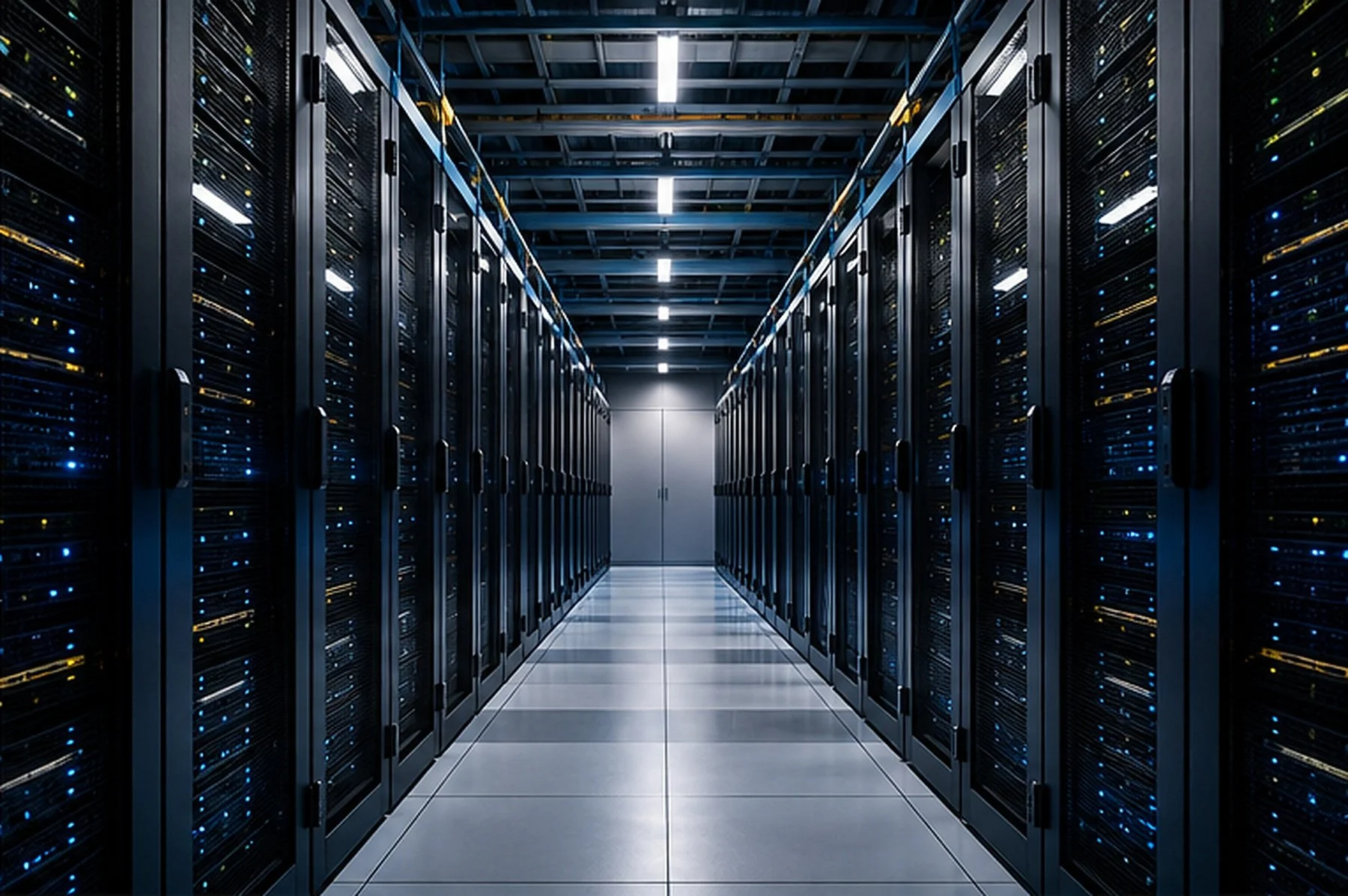
As computing becomes increasingly important to economic activity, data-center infrastructure becomes closer to other strategic infrastructure such as telecommunications networks, electricity generation and transportation systems.
Indonesia's long-term opportunity is therefore larger than simply attracting international data-center operators.
A deeper ecosystem can potentially include:
data-center development and operation;
electrical and cooling infrastructure;
renewable and distributed energy;
network connectivity;
cybersecurity;
cloud infrastructure;
engineering and maintenance;
AI services;
domestic software development;
technical education and training.
Each layer increases the amount of economic value retained within the domestic economy.
AI and Industrial Transformation
The most important economic impact of AI may ultimately occur outside the technology industry itself.
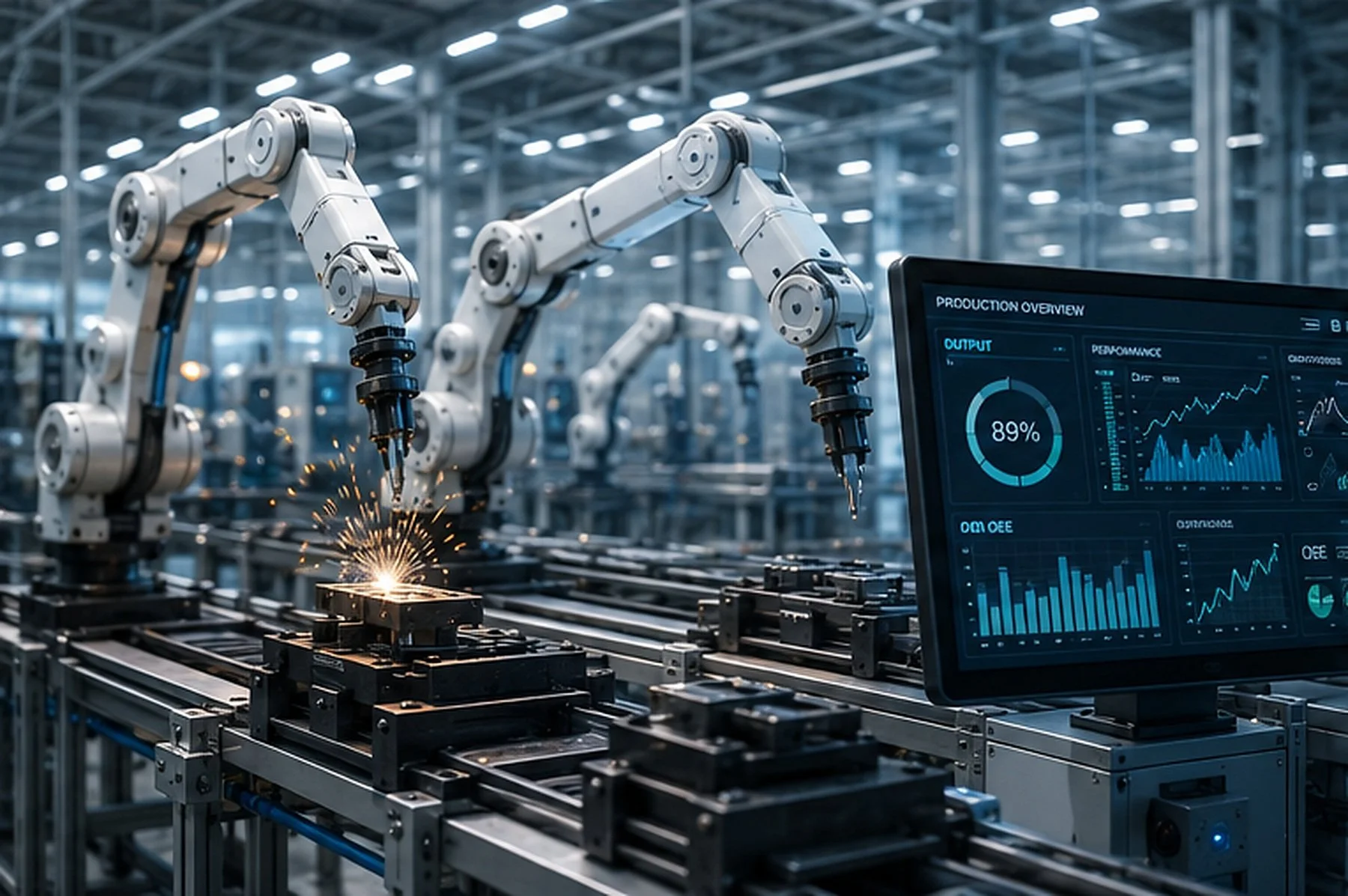
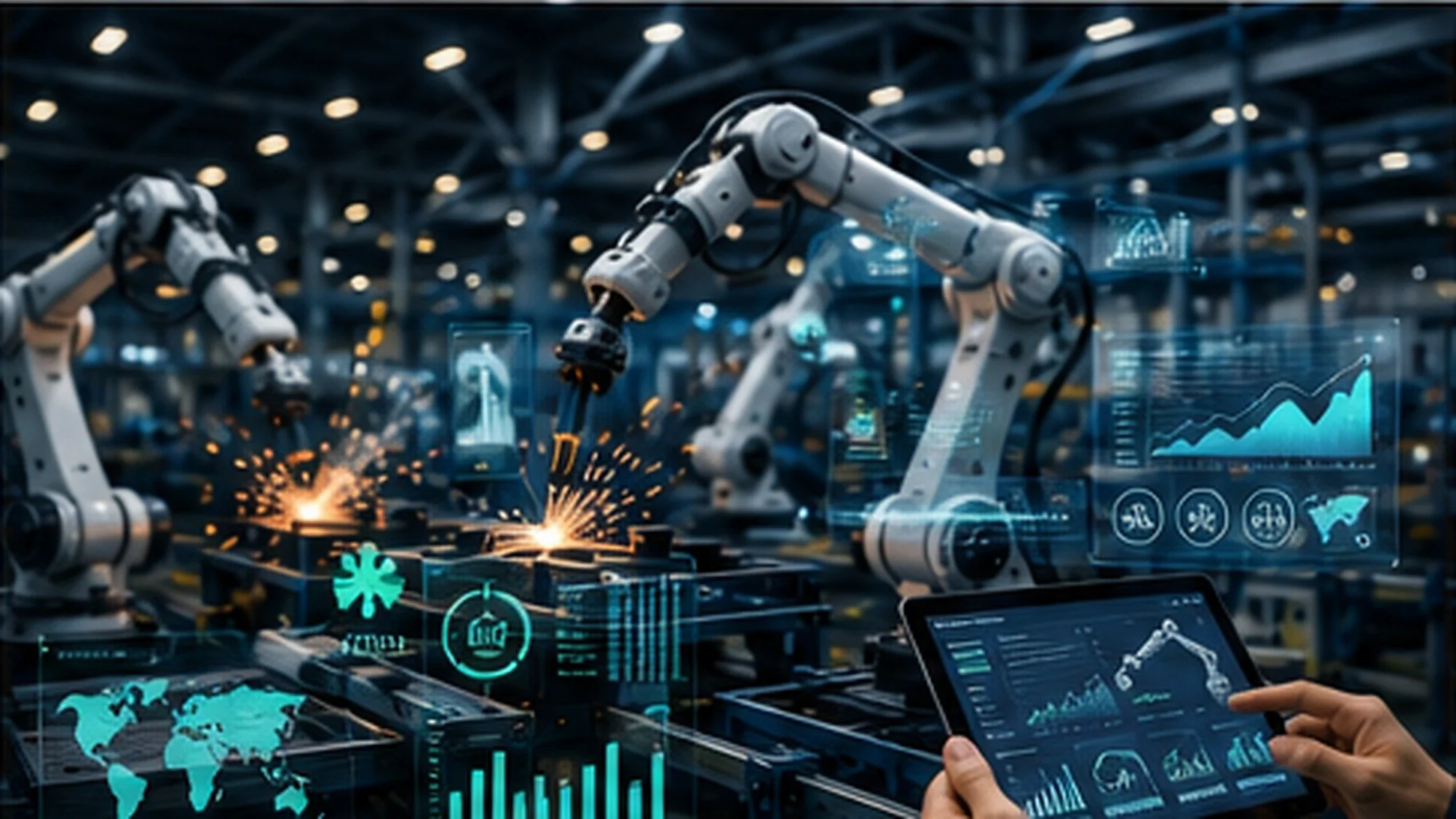
Industrial companies can increasingly apply AI to areas such as:
demand forecasting;
production planning;
predictive maintenance;
quality control;
energy optimization;
logistics;
procurement;
inventory management;
customer analytics;
fraud and anomaly detection;
administrative automation.
For established businesses, however, successful AI implementation requires more than purchasing software.
Processes must be measurable.
Data must be usable.
Systems must be integrated.
Employees must understand how technology changes their work.
Management must distinguish between technological experimentation and applications that actually improve economics.
The challenge is therefore organizational as much as technological.
From AI Adoption to AI Capability
Indonesia should certainly encourage rapid adoption of productive AI technologies.
But adoption alone is not enough.
A stronger long-term objective is to progressively build capabilities across the technology stack:
Applications
↓
Software and AI services
↓
Cloud and computing
↓
Data centers
↓
Connectivity
↓
Energy infrastructure
↓
Engineering and human capital
Indonesia does not need to dominate every layer.
It does, however, need to determine where domestic capabilities can create genuine strategic and economic advantage.
That requires cooperation between government, universities, technology companies, energy providers, telecommunications operators, investors and industrial businesses.
Technology and Business
Technology creates economic value when it solves real problems.
This principle has remained relevant throughout successive technological cycles—from telecommunications and the internet to cloud computing and now artificial intelligence.
For business leaders, the important questions are therefore not simply which technology is fashionable.
They are:
What problem are we solving?
What measurable improvement can the technology produce?
What infrastructure and organizational changes are required?
What new risks does implementation create?
Does the organization develop capability—or merely become dependent on another supplier?
Those questions become increasingly important as AI moves from experimentation into core business processes.
A Long-Term Indonesian Opportunity
Indonesia has an opportunity to participate in the AI economy at multiple levels.
The country can be a major market for AI applications.
But it can potentially also become an important location for digital infrastructure, data centers, energy-intensive computing, industrial AI deployment and technology development within Southeast Asia.
Capturing that opportunity will require long-term thinking.
The objective should not simply be:
more AI consumption.
It should be:
more Indonesian technological capability.
That distinction will ultimately determine how much economic value technological transformation creates domestically.
For institutional profiles and selected coverage of his work in technology and robotics, see Media & References.
Selected Insights

About Desra Ghazfan
Desra Ghazfan (Desra Firza Ghazfan) is an Indonesian business and technology executive whose professional experience spans technology, telecommunications, aviation, energy, mining and industry. He currently serves as President Director of PT Intikeramik Alamasri Industri Tbk (IDX: IKAI).
Institutional references and selected coverage relating to Desra Ghazfan’s technology and robotics activities are collected in Media & Institutional References.